
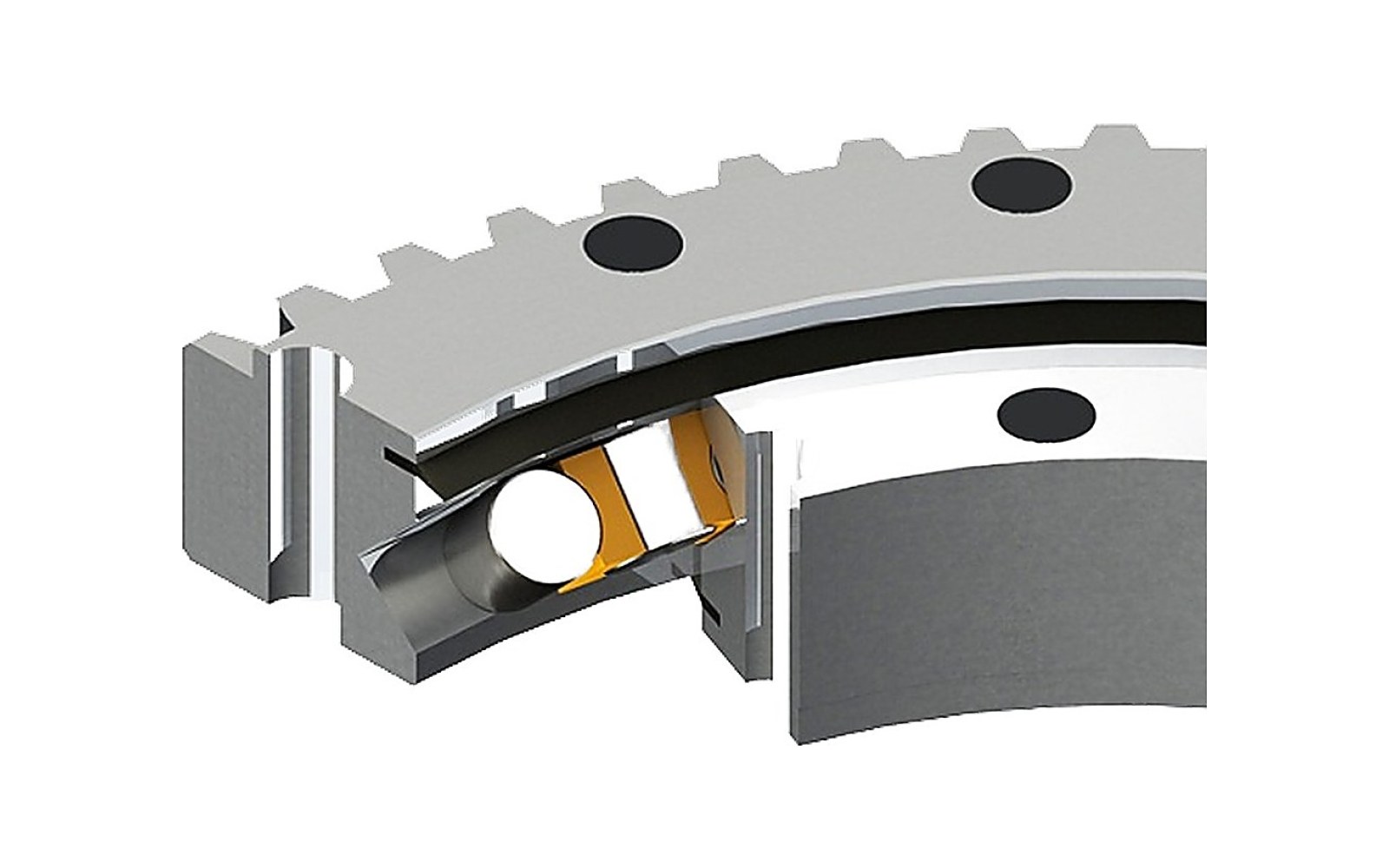
Category: News

  • Why we opened a Resource section

    Why we opened a Resource section

    Most enquiries we receive start with the same handful of questions: which structure, how much clearance, what does the gear option change. Answering them one email at a time is slow for the customer and repetitive for us.

    So we have collected those answers here. News covers what changes at the workshop — equipment, certifications, shipments, exhibitions. Knowledge covers how to pick a slewing bearing or a slew drive and how to avoid the failures we see most often.

    What you will find here

    • Selection guides that start from the load and the rotation, not from a catalogue number.
    • Explanations of the options that actually change price and lead time.
    • Notes from real failures, with the cause we found on site.

    If a question is not answered yet, send it through the contact form. When it comes up three times, it becomes an article.

    Have a question that is not covered?

    Ask an engineer
  • Added turning capacity for rings up to 3 m

    Added turning capacity for rings up to 3 m

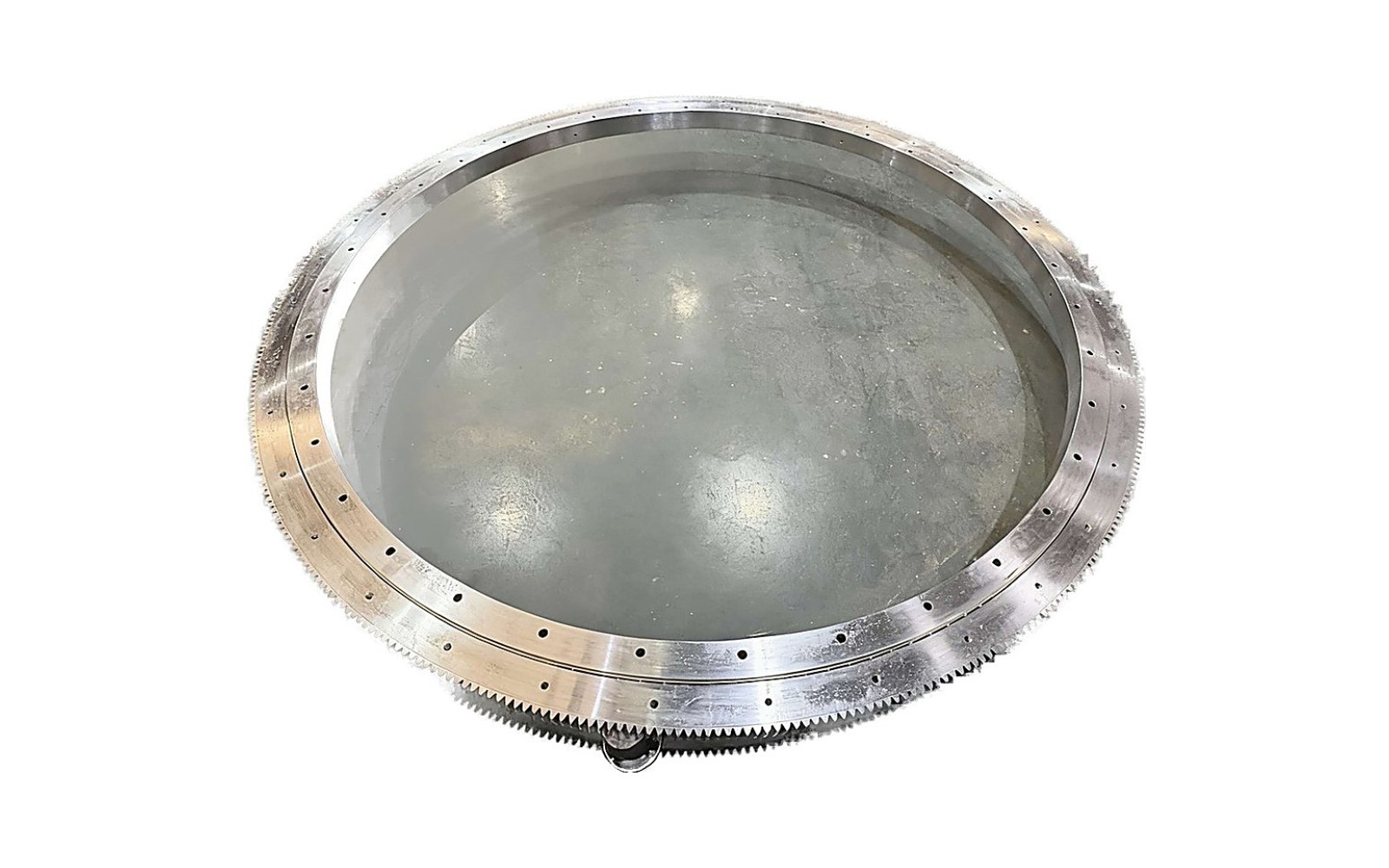
    Rings above 2 m diameter used to queue behind smaller work. From this quarter they no longer do.

    We added a second vertical turning centre in the heavy bay, dedicated to rings between 1.5 m and 3 m outside diameter. For customers this mainly changes two things: quoted lead time on large rings, and the ability to take small trial batches of a large size without waiting for a full programme slot.

    What it means for a quotation

    • Large-diameter rings move from a quoted 45–60 days to roughly 30–40 days, depending on material.
    • Trial quantities of one or two pieces are now practical for a new size.
    • Gear cutting and raceway grinding capacity is unchanged, so the critical path may shift to those steps.

    If you have a drawing that was previously too small a batch to quote, send it again with a note that it is a trial order.

    Send the drawing and the annual quantity.

    Send a drawing
  • Inside the inspection we run before packing

    Inside the inspection we run before packing

    Every ring is inspected before packing. The point is not to produce a certificate — it is to catch a problem while the part is still on our floor and not in a container.

    1. Raceway hardness and hardened depth

    Readings are taken at several points around the raceway after heat treatment, plus a hardened-depth measurement on a witness piece from the same batch. The soft zone — where the raceway is left unhardened so the gear teeth can be cut — is marked on the ring.

    2. Dimensional report

    Bore, outside diameter, overall height, raceway diameter and gear parameters are measured against the drawing. Gear runout gets its own check because it shows up as noise in service long before it shows up as wear.

    3. Rotation and clearance

    The assembled bearing is rotated by hand and then under load for a short run. Starting torque is recorded, and for drives the backlash is measured at several positions.

    4. Packing

    Rings ship upright on a wooden pallet with the raceway protected, bolts and grease nipples bagged separately, and the documents in a sealed pouch on the outside of the crate.

    Want to see what the paperwork looks like?

    Request a sample report